


Traveling with CBD has become increasingly practical as more jurisdictions legalize hemp-derived cannabinoids, but the rules vary significantly depending on your destination and whether you're traveling domestically or internationally. This guide breaks down TSA regulations, state-by-state considerations, international laws, and practical packing strategies so you can travel with confidence and stay compliant wherever you go.
Domestic Air Travel in the U.S.: TSA CBD Rules
The good news: the TSA (Transportation Security Administration) has explicitly permitted hemp-derived CBD with less than 0.3% THC in both carry-on and checked luggage for domestic flights since 2018. This is a significant development for travelers who want to maintain their wellness routine while flying.
Key TSA requirements:
- CBD must be derived from hemp (not marijuana)
- Total THC content must be less than 0.3% by dry weight (the federal legal limit)
- You must have documentation (receipt, lab testing, product label) showing THC content
- Permitted in both carry-on and checked baggage
- Permitted in all U.S. states, though state laws vary at destination
However, "permitted by TSA" doesn't mean automatically cleared by security. TSA agents are human and may not be fully educated on current CBD laws. Preparation and documentation are crucial.
Packing CBD for Domestic Flights: Best Practices
Keep original labeling. Pack CBD in original, sealed containers with clear labeling showing:
- Product name
- CBD content (in milligrams)
- THC content (must state <0.3%)
- Manufacturer information
- Batch or lot number
If your product lacks clear THC content information on the label, obtain and carry a third-party lab test. This single document has resolved countless TSA encounters.
Carry your receipt. Keep a copy of your purchase receipt, which typically shows the product details and THC percentage. A legitimate receipt from a reputable CBD retailer like FireBar Labs carries significant weight with security personnel.
Choose carry-on for liquid or oil CBD. While technically permitted in checked bags, TSA regulations around liquids in checked baggage are stricter. If you're traveling with CBD tinctures or oils, pack them in your carry-on to avoid confusion during baggage screening. Most TSA agents are more familiar with liquid CBD in carry-on than in checked bags.
Solid products are easier. Gummies, capsules, and CBD-infused edibles are less likely to raise questions than liquids. Pack them prominently—don't hide them—so they're easy to identify during screening.
Arrive early. If you're traveling with CBD products, arrive 15-20 minutes earlier than usual. If security needs to inspect or investigate, you'll have time without missing your flight.
What to Do If TSA Stops You
Even with perfectly legal CBD, you might be questioned. Stay calm and helpful.
- Explain clearly: "This is CBD derived from hemp with less than 0.3% THC, which the TSA permits in carry-on and checked baggage."
- Offer your documentation immediately—lab test, receipt, or product label showing THC content.
- Be honest about the product and its contents. Don't minimize or overstate.
- If the agent is unfamiliar with CBD regulations, remain patient. Education, not frustration, helps.
- If TSA confiscates your product, ask for documentation of what was seized and why. This information is valuable for legal recourse if needed.
TSA's job is security, not drug enforcement. They're looking for illegal substances, not trying to harass legal CBD users. Cooperation typically results in smooth passage.
Domestic Travel by Car: State-by-State Considerations
While federal law permits hemp-derived CBD nationwide, some states have stricter regulations. Before driving across state lines with CBD:
- Research your destination state's CBD laws. A few states have more restrictive definitions of "legal CBD" than federal law.
- Keep documentation in your vehicle. If stopped, clear labeling and lab testing documentation prevent misunderstandings.
- Don't cross state lines if unsure. If a destination state's laws are unclear, consider shipping your CBD to your destination or purchasing it locally.
The vast majority of U.S. states have legalized or at minimum tolerate hemp-derived CBD, but a few holdouts maintain stricter rules. Research before you travel.
International Travel: Critical Legal Research Required
International CBD travel is significantly more complex and carries real legal risk. Many countries still prohibit CBD entirely, regardless of THC content. Do not assume legality abroad based on U.S. federal law.
Countries where CBD is generally permitted (but verify current status): Canada, UK, EU (most countries), Switzerland, Australia, New Zealand, South Africa, some Asian countries.
Countries where CBD remains prohibited or highly restricted: Most Middle Eastern countries, many Asian countries (including Japan, South Korea, Thailand), Russia, and others.
Critical steps for international travel with CBD:
- Research 6-8 weeks in advance. Don't wait until days before travel. Hemp laws change frequently.
- Contact the destination country's embassy or customs authority. Ask specifically about hemp-derived CBD with <0.3% THC. Get written confirmation if possible.
- Contact your airline. Some airlines have specific policies about CBD in checked or carry-on baggage on international flights.
- Have all documentation in English and the destination language if possible. Lab tests, receipts, and product labels should clearly state CBD content and THC percentage.
- If in doubt, don't bring it. Confiscation is best-case scenario. Serious legal consequences are possible in countries where CBD is prohibited.
Shipping CBD Across Borders: A Better Option for International Trips
International postal services are often more permissive than luggage transport for legal hemp products. Consider this alternative:
- Ship your CBD to your destination address 1-2 weeks before travel using international mail.
- Include documentation (lab tests, receipts) to help customs clear the package.
- Use registered mail with tracking so you can monitor the package.
- This completely avoids the luggage/TSA situation.
Shipping isn't perfect—customs can still confiscate—but it often bypasses personal luggage screening entirely. Some countries' customs processes are more educated about legal hemp products than security personnel.
CBD Product Format Matters When Traveling
Gummies and edibles are easiest. They're clearly recognizable, require no explanation, and are less likely to trigger questions at security or customs. If traveling by air to another country, this is your safest bet.
Capsules are also straightforward. They look like standard supplements, travel well, and don't raise suspicion. Keep them in original packaging with clear labeling.
Tinctures and oils require more documentation. Liquids are always scrutinized more carefully. If traveling internationally with tinctures, carry lab testing showing exact THC content and your original receipt. For domestic air travel, carry-on only.
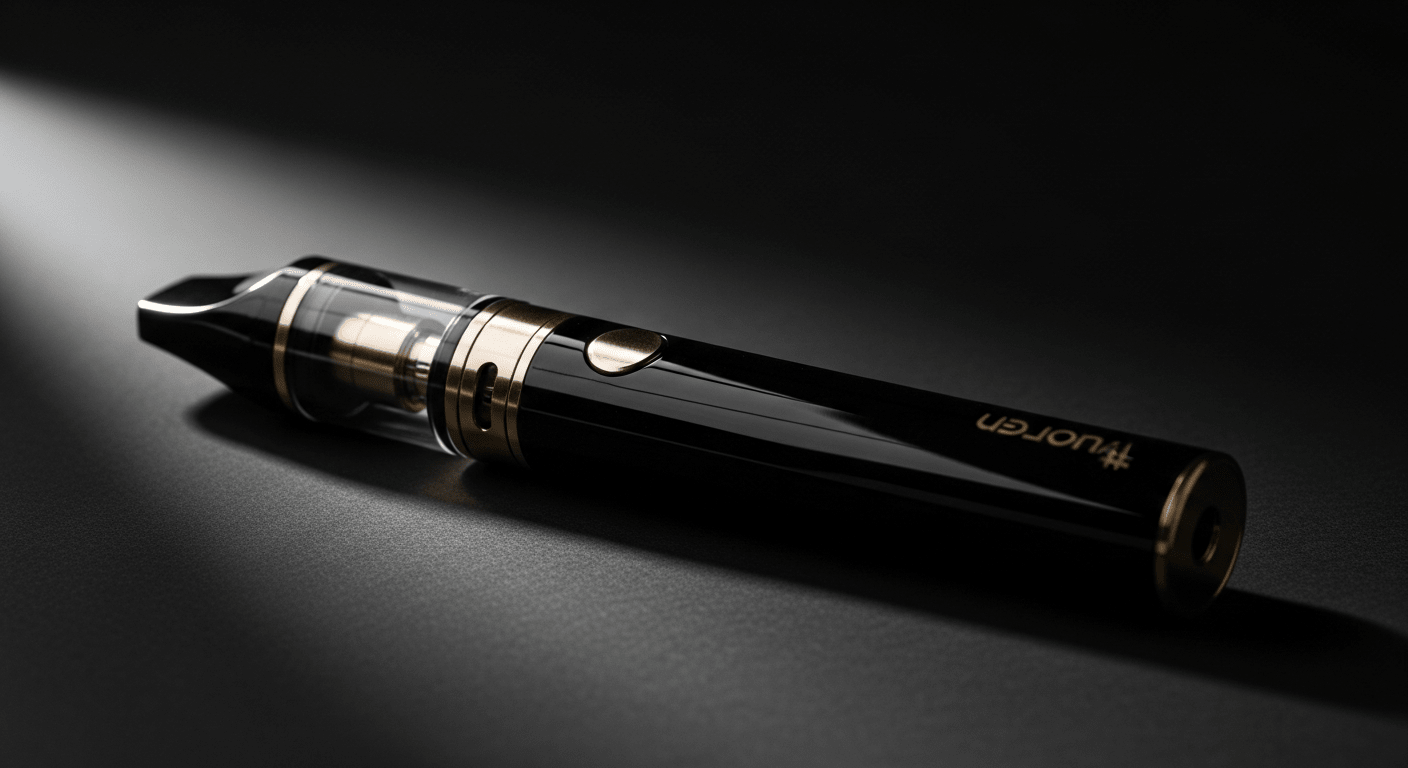
Vape devices and cartridges are problematic. Even with legal CBD, vape hardware faces additional TSA scrutiny and is prohibited on some airlines. If you vape, consider leaving your device at home and purchasing compatible hardware at your destination.
Travel Insurance and CBD: Know Your Coverage
Most travel insurance policies don't cover losses or legal issues related to prohibited substances, even legal ones in your origin country. If you're traveling internationally with CBD and confiscation or legal issues occur, your travel insurance likely won't help.
This is another reason to avoid bringing CBD on risky international trips. The potential cost of legal issues far exceeds the cost of purchasing CBD locally at your destination.
Frequently Asked Questions
Can I take CBD on an international flight if it's legal in my home country?
Not necessarily. International flights are governed by both your origin country and destination country's laws. Just because CBD is legal where you live doesn't mean it's legal where you're flying to. You must comply with the destination country's laws. Research thoroughly before traveling.
Will TSA officers recognize my CBD product as legal?
Not necessarily. While TSA policy permits hemp-derived CBD with <0.3% THC, individual agents may not be fully informed about these regulations. Clear labeling, third-party lab testing, and a professional receipt significantly reduce friction. If questioned, stay calm and provide documentation.
Can I pack CBD in my carry-on or does it have to go in checked baggage?
TSA permits CBD in both carry-on and checked baggage. Practically speaking, carry-on is safer for liquids (tinctures, oils) because TSA agents are more familiar with liquid CBD in that context. For solids (gummies, capsules), either works, but carry-on keeps your product in your possession.
What's the difference between hemp-derived CBD and marijuana-derived CBD for travel?
Hemp-derived CBD with <0.3% THC is federally legal and TSA-permitted for domestic travel. Marijuana-derived CBD is not federally legal and is prohibited by TSA, even in states where marijuana is legal. Always use hemp-derived CBD if you plan to fly domestically.
Is it safer to ship CBD internationally or travel with it?
Both carry risk in countries where CBD is prohibited, but shipping via international mail sometimes bypasses personal inspection. Luggage goes through security screening designed to detect controlled substances. If traveling to a country where CBD legality is uncertain, shipping to your destination or purchasing locally is safer than carrying it yourself.
Explore FireBar Labs
Questions? Email support@firebarlabs.com — we respond within 24 hours. Use code FIREBAR10 for 10% off your first order. Free shipping on orders over $75.
Share:
Continue Reading
How to Store Hemp and Cannabis Products for Maximum Freshness
How to Use a FireBar DUO Vape: A Complete User Guide